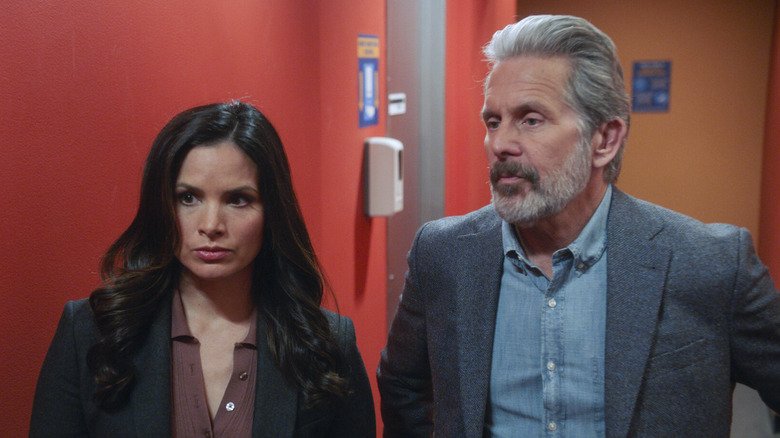
From the first frame, you feel it: an undeniable spark, a palpable tension, a bond that feels utterly real. It's the magic trick of cinema and television, the illusion that characters truly inhabit their relationships. This isn't just about good acting; it's about the deep, often invisible force of Cast Chemistry & On-Set Dynamics. When actors genuinely connect, on-screen relationships transcend dialogue, breathing a life into stories that captivates audiences and imprints itself on our collective memory.
This isn't merely a nicety; it's a critical component that can make or break a production. In an era where discerning audiences consume content at lightning speed across countless platforms, a forced interaction stands out like a sore thumb. Authentic connection, on the other hand, can become a trending topic, a cultural touchstone that propels a project to stratospheric success.
At a Glance: Building Believable On-Screen Bonds
- Chemistry is Non-Negotiable: Modern audiences are savvier than ever, demanding genuine connections that elevate storytelling beyond mere plot.
- The Chemistry Read is Key: These specialized auditions evaluate the dynamic between potential co-stars, ensuring an "alive" energy exchange.
- Core Principles Reign Supreme: Timing, active listening, and emotional balance are the bedrock of authentic on-screen interaction.
- Preparation is Crucial: Whether in-person or virtual, specific warm-ups, tech checks, and mindset shifts can optimize a chemistry read.
- Beyond the Audition: Directors, workshops, and even cinematography play vital roles in fostering and enhancing cast chemistry throughout production.
- Address Challenges Proactively: Conflicting personalities or styles require team-building, collaborative workshops, and strong communication to overcome.
- It's an Exploration, Not a Performance: The best chemistry emerges from spontaneity and a willingness to explore with a partner, not from rigid pre-planning.
The Invisible Force Behind Believable Stories
In the sprawling landscape of film and television, where competition is fiercer than ever and audiences have an endless buffet of choices, authenticity is the ultimate currency. Viewers crave stories that resonate, and at the heart of those stories are relationships they can believe in. This is where Cast Chemistry & On-Set Dynamics become paramount. It's the difference between actors delivering lines and characters living moments.
Think about your favorite on-screen pairings – the romantic leads whose glances spoke volumes, the best friends whose banter felt utterly natural, or even the rivals whose tension crackled with every interaction. This isn't accidental. It's the result of intentional processes designed to forge connections that feel real, not rehearsed. Modern scripts, in particular, often demand complex, layered dynamics – from friends grappling with betrayal to mentor-protégé relationships that evolve into rivalry. Studios, too, are keenly aware that successful pairings can lead to long-running series, lucrative sequels, and powerful marketing hooks. The stakes for getting chemistry right have never been higher.
Decoding the Chemistry Read: More Than Just Another Audition
Before a single scene is shot, the hunt for compelling on-screen dynamics often begins with a specialized audition: the chemistry read. This callback isn't just about evaluating an actor's individual performance; it's a test of how they interact, respond, and connect with a potential co-star. The goal is to find an "energy exchange that feels alive," an organic rhythm that can't be manufactured through mere acting technique.
Chemistry reads are standard practice for almost any project featuring significant interpersonal relationships, from romantic pairings and close family units to buddy roles and intricate ensemble casts. They're the casting director's secret weapon for ensuring that the chosen actors don't just fit their individual parts but also create a cohesive, believable tapestry of relationships. In a competitive global market, especially with the rise of self-tapes for initial auditions, exceptional chemistry can often serve as the tiebreaker among equally skilled actors.
In-Person vs. Virtual Chemistry Reads: A Tale of Two Formats
The format of a chemistry read can significantly influence the dynamic. Both have their unique advantages and challenges:
- In-Person Reads: There's an undeniable power in sharing a physical space. In-person reads allow for instant perception of subtle energy shifts, body language cues, and the natural rhythm that emerges from being truly present with another person. This can aid in developing a more natural timing and shared breathing patterns. However, the intensity of an in-person read can also heighten nerves, sometimes hindering an actor's ability to fully relax and explore.
- Virtual Reads: The pandemic era normalized virtual chemistry reads, which offer actors the comfort of their own familiar environments and provide global access, allowing talent from anywhere to connect. This accessibility can broaden the casting pool immensely. The downsides include potential technical hiccups like internet lag, audio issues, or challenges in projecting a full presence and dynamic through a screen. It requires actors to adapt their approach to effectively convey connection without direct physical interaction.
The Pillars of On-Screen Connection: Timeless Principles
Regardless of the format, certain core principles consistently foster authentic connection during a chemistry read and throughout a production. These aren't just acting techniques; they're human interaction skills amplified for the screen.
- Timing: The Unspoken Dance
Great chemistry often manifests as impeccable timing – a natural syncing with a partner's tempo, knowing when to pause, when to accelerate, and how to share emotional beats. This isn't about rigid pacing; it's about responsiveness. Shared breathing, subtle physical cues, and the intuitive flow of conversation are all hallmarks of good timing. It creates a sense of shared reality, making dialogue feel less like lines and more like genuine interaction. - Listening: The Art of Being Present
True connection is impossible without deep, active listening. This means staying responsive to your partner, not just waiting for your turn to speak. In an in-person setting, it involves maintaining eye contact and absorbing their physical presence. Virtually, it demands camera awareness – placing your scene partner's image near your lens to simulate eye contact. A great listener responds to tone and energy shifts, remains flexible, and adapts their choices based on what their partner brings to the moment. It's about being in the scene with them, not parallel to them. - Emotional Balance: Sharing the Spotlight
Fostering teamwork is key. Chemistry isn't about one actor dominating; it's about a harmonious exchange. Knowing when to lead a moment and when to step back, sharing authentic vulnerability grounded in the story, and truly embracing partnership are essential. It's about sharing the spotlight, allowing each actor's presence to enhance the other's, creating a richer, more dynamic whole. This collaborative spirit ensures that both actors contribute equally to the fabric of the relationship.
Preparing for Connection: Practical Tips for Chemistry Reads
Whether you're stepping into a casting room or logging onto a video call, preparation is crucial for maximizing your potential to create compelling on-screen chemistry.
Optimizing Your Space and Self
- In-Person Specifics:
- Physical Warm-up: Engage your body. Light stretches or movement exercises can help you feel grounded and open, allowing your body language to be expressive and uninhibited.
- Emotional Grounding: Breathwork or meditation can calm nerves and help you enter the room centered and present.
- Wardrobe Choice: Wear something character-suggestive but comfortable, allowing for a full range of movement. Avoid anything distracting or restrictive.
- Virtual Specifics:
- Tech Check: A reliable internet connection, clear audio, good lighting (front-facing and soft), and a clean, well-framed background are non-negotiable. Test everything thoroughly.
- Simulated Eye Contact: Position your scene partner's image on your screen as close to your camera lens as possible. This creates the illusion of direct eye contact for the viewers.
- Thoughtful Framing: Aim for a shot that includes your shoulders and a bit of space above your head. This provides intimacy without feeling too closed off or like a floating head.
General Dos and Don'ts for Any Chemistry Read
- DO be curious about your scene partner. Approach the interaction with genuine interest in their choices and reactions.
- DO stay playful and spontaneous. Allow for unexpected moments to emerge; don't be afraid to experiment within the scene's framework.
- DO use stillness and trust silence. Sometimes the most powerful moments happen without words or overt action. Let the subtext and connection breathe.
- DON'T pre-plan your partner's responses. This is a common trap that kills spontaneity and makes your reactions feel inauthentic.
- DON'T perform at your co-star. Engage with them. The scene is a conversation, not a monologue directed at another person.
- DON'T be rigid in your choices. Stay flexible and ready to adapt to whatever your partner brings. This demonstrates adjustability, a highly valued trait.
- DON'T rush due to nerves. Take your time. Allow moments to develop naturally, even if you feel pressure.
Beyond the Read: Cultivating Chemistry Throughout Production
Casting the right actors is just the beginning. The ongoing work of cultivating strong Cast Chemistry & On-Set Dynamics continues throughout the entire production lifecycle. This involves a collaborative effort from casting directors, directors, and the actors themselves.
- The Casting Director's Vision: Beyond individual talent, casting directors are crucial in envisioning how different personalities and acting styles might blend. They often facilitate workshops or group auditions to observe these dynamics firsthand, ensuring not only individual fit but also harmonious group chemistry. Diversity and representation are also key considerations, as authentic storytelling often requires a diverse range of connections and perspectives. When considering the vast and varied roles, from a superhero's cosmic companion to a grounded family drama, understanding these dynamics is paramount. For instance, imagine the complexity of The Silver Surfer movie cast – the chemistry needed between a celestial being, human characters, and even an antagonist would be incredibly intricate.
- Rehearsal Strategies: Directors often employ various rehearsal techniques to encourage organic connections. Improvisation exercises are particularly effective, allowing actors to explore their characters' relationships and reactions spontaneously, free from the confines of the script. This fosters a sense of play and collaboration that can translate directly to believable on-screen interactions.
- Character-Building Workshops: Diving deep into character backstories, motivations, and shared histories through workshops helps actors build a collective narrative. This shared understanding can deepen their individual performances and strengthen their relational dynamics, ensuring everyone is working from a similar emotional and contextual framework.
- The Director's Guiding Hand: The director is the ultimate facilitator of chemistry. Their role involves providing constructive feedback, fostering open dialogue, and creating a safe space for actors to take risks and build trust. By actively leading rehearsals and encouraging collaboration, a director can nurture nascent connections and guide performances towards maximum emotional resonance.
- Cinematographic Techniques: Even the camera can enhance or detract from perceived chemistry. Close-up shots can emphasize emotional intimacy and connection, while careful framing and lighting choices can underscore the bond (or tension) between characters. A director of photography, in collaboration with the director, can strategically use visual language to amplify the chemistry already present.
Tailoring Chemistry: Relationships On-Screen
Different types of relationships demand nuanced approaches to chemistry. What works for a romantic lead won't necessarily translate to a bitter rivalry or a platonic friendship.
- Romantic Relationships: These require a delicate balance of tension, vulnerability, and undeniable attraction. The chemistry should suggest a history, a future, and an immediate spark. It's often about the unspoken – the lingering glance, the subtle shift in posture, the shared breath that signals a profound connection. Authenticity here is paramount; forced romance rarely resonates.
- Rivalries: For rival characters, chemistry manifests as palpable conflict, intellectual sparring, or intense emotional opposition. The goal isn't warmth, but a dynamic tension that makes their clashes compelling. This often involves a strong sense of challenge, power struggle, and mutual understanding (even if grudging) of each other's strengths and weaknesses.
- Friendships: On-screen friendships thrive on natural rapport, shared history, and mutual support. Chemistry here often translates into easy banter, comfortable silences, and a sense of genuine camaraderie. They can offer comedic relief, emotional anchors, and a vital layer of support within the story. The authenticity of these bonds is crucial for audience emotional investment.
When Chemistry Falters: Addressing On-Set Challenges
Even with the most meticulous casting, challenges can arise. Conflicting personalities, differing acting styles, or unexpected personal dynamics can sometimes hamper Cast Chemistry & On-Set Dynamics and, by extension, the entire production. Proactive strategies are key to mitigating these issues.
- Team-Building Activities: Beyond formal rehearsals, incorporating informal team-building activities can work wonders. This could range from improvisational games unrelated to the script to social outings or shared meals. These activities help cast members see each other as collaborators rather than just co-workers, fostering trust and mutual understanding in a low-stakes environment.
- Collaborative Workshops: When different acting styles clash, dedicated workshops can help align approaches and develop a shared vision for the project. This isn't about forcing actors into a single mold, but about finding common ground and understanding how each actor's unique contribution fits into the larger ensemble. These sessions can help bridge gaps and ensure everyone is pulling in the same direction.
- Strong Communication Channels: Open and honest communication among cast, crew, and the director is paramount. Addressing issues early, before they fester, is crucial. Creating an environment where actors feel comfortable expressing concerns or offering suggestions without fear of judgment helps maintain harmonious dynamics and resolve conflicts constructively. Sometimes, a third-party mediator (like a producer or acting coach) might be necessary to facilitate dialogue and find solutions.
Sharpening Your Chemistry Skills: Exercises for Actors
Developing your ability to connect with others on screen is an ongoing journey. Here are some practical exercises to build and hone your chemistry skills:
- Mirror Work: Sit opposite a partner and physically mirror their movements and expressions without speaking. This builds non-verbal communication and helps you tune into their physical presence and subtle cues.
- Improvised Backstories: Give yourselves a scenario (e.g., "You've known each other since middle school," "You just had a huge fight 10 minutes ago") and improvise a five-minute scene without a script. Focus on reacting to your partner's choices and building a shared history on the fly.
- Eye Contact Drills: Practice holding sustained eye contact with a partner while speaking lines or having a conversation. This can feel intense at first, but it teaches you to stay present and connected through direct gaze.
- Virtual Timing Practice: Run scenes with friends over Zoom or similar platforms specifically to practice dealing with lag and projecting presence through a screen. Experiment with where you look on the screen to simulate eye contact effectively.
- Active Listening Games: Play games where you can only respond to the last thing your partner said, truly building on their contribution without pre-planning your own.
What Casting Professionals Really Look For
When you're in that chemistry read, what's truly on the minds of the casting director and director? They're often looking past the "performance" and focusing on innate qualities that signal a strong on-screen connection:
- Comfort: Do you look at ease with your partner? Can you relax into the scene and allow yourself to be vulnerable?
- Playfulness: Is there an openness to experiment, to find joy in the interaction, even if the scene is dramatic? A playful spirit often indicates a willingness to explore.
- Adjustability: Can you take notes seamlessly and apply them in real-time with your partner? This shows you're a team player and adaptable.
- Presence: Do you "light up" the dynamic without dominating it? Do you contribute energy and focus that elevates the entire scene?
The best connections aren't born out of rigid adherence to a script or pre-planned moves; they're born in the moment, from genuine curiosity and a willingness to explore with another human being. A chemistry test, ultimately, is less a second audition and more an exploration of potential.
The Enduring Impact of Authentic Connection
In the demanding world of film and television, where countless factors contribute to success, the role of Cast Chemistry & On-Set Dynamics cannot be overstated. It's the secret sauce that transforms good acting into great storytelling, making fictional worlds feel undeniably real. From the initial chemistry read to the final cut, every decision, every interaction, and every rehearsal contributes to this essential, intangible magic.
For actors, understanding and actively cultivating these dynamics is not just a skill; it's an art form. For directors and casting professionals, it's a critical strategic imperative that shapes the entire production. By prioritizing genuine connection, we don't just create compelling characters; we create memorable relationships that resonate with audiences long after the credits roll, cementing a project's place in the cultural lexicon. The stories we tell are only as strong as the bonds between the characters who live them.