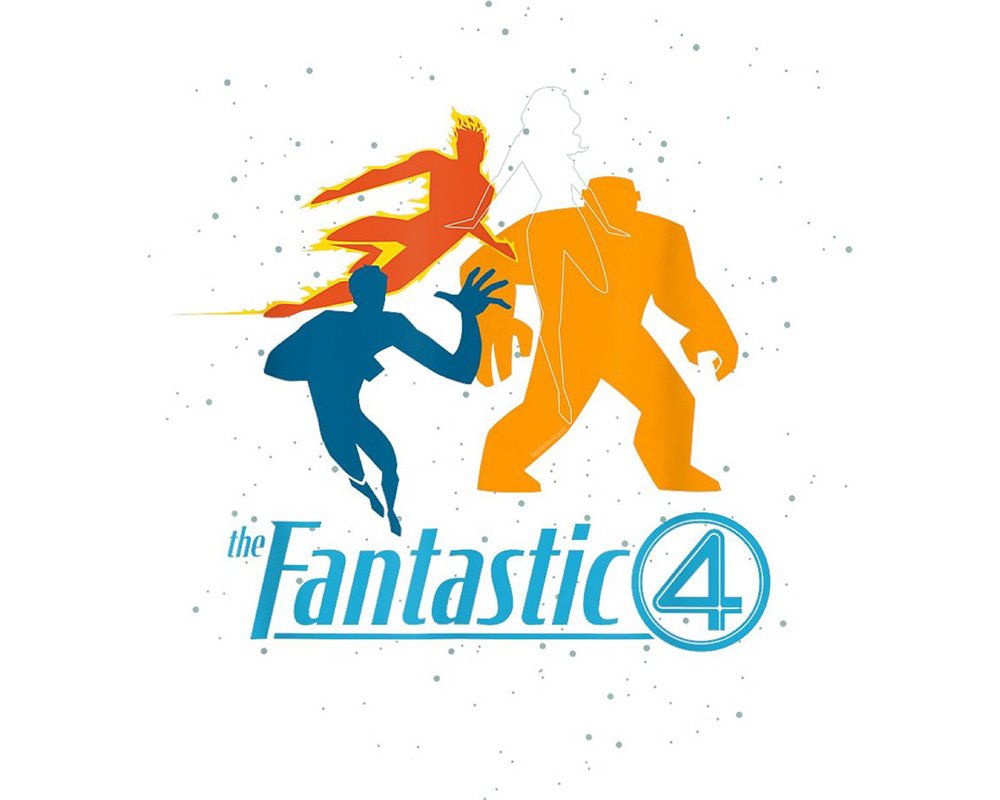
The Fantastic Four aren't just a super-team; they are, at their core, a family. But dig deeper, and you’ll find that the true genius of their creation lies in the powerful Fantastic Four character embodiments that define each member, reflecting universal human truths. They are an enduring quartet because each individual, with their fantastic powers, perfectly encapsulates a specific aspect of the human condition, making them relatable despite their cosmic adventures. Understanding these intrinsic identities isn't just about comic book trivia; it's about appreciating the foundational archetypes that have resonated with readers for generations.
At a Glance: Decoding the FF's Enduring Identities
- Reed Richards (Mr. Fantastic): Embodies boundless intellect, scientific ambition, and the occasional burden of genius. He's the mind, sometimes at the expense of emotion.
- Sue Storm (Invisible Woman): The heart and often underestimated backbone. She represents empathy, defensive strength, and the power of unseen influence.
- Johnny Storm (Human Torch): The spirit of youth, impulsiveness, and public spectacle. He's passion, growth, and the journey from recklessness to responsibility.
- Ben Grimm (The Thing): The soul of loyalty, resilience, and the struggle with identity. He’s sacrifice, strength, and the enduring humanity beneath a monstrous exterior.
- A Unified Whole: Together, they represent the ultimate family unit, showcasing how individual strengths and weaknesses intertwine to create something truly fantastic.
Beyond Superpowers: The Fantastic Four as Primal Archetypes
From their inception in 1961, Stan Lee and Jack Kirby didn't just give us four heroes; they gave us four distinct facets of humanity, dramatically amplified by cosmic rays. These aren't just costumes and abilities; they are deeply ingrained personae that drive their actions, fuel their conflicts, and define their triumphs. You could argue that every great character, particularly in a long-running narrative, becomes an embodiment of something larger than themselves. With the Fantastic Four, it’s exceptionally clear.
The Enduring Appeal of Foundational Characters
Think about it: why do these characters persist when so many others fade? It's because their fundamental identities are timeless. Reed isn't just smart; he is intellect itself, pushing the boundaries of what's possible. Sue isn't merely a wife and mother; she is the protective instinct, the essential glue. Johnny is youth, brash and brilliant. And Ben is the struggle, the loyalty, the heart that beats even when encased in stone. These Fantastic Four character embodiments provide a stable foundation, allowing for infinite variations in storytelling without ever losing the core essence of who they are.
How Their Embodiments Define the Marvel Universe
The Fantastic Four didn't just introduce a team; they introduced a template for an entire universe. Their blend of science fiction, family drama, and superheroics set a new standard. Their core identities—the explorer, the protector, the rebel, the rock—are so fundamental that they often serve as moral compasses or contrasting foils for other Marvel characters. Their unique dynamic allows them to interact with cosmic entities, alien empires, and street-level threats, always bringing their distinctive perspectives to bear. They’re not just a team of heroes; they're the ultimate exploration unit for the weird and wonderful corners of existence.
Reed Richards: The Unyielding Mind of Progress
When you think of Reed Richards, you likely picture his stretching powers, but that’s merely a physical manifestation of his true embodiment: limitless intellect and an insatiable drive for scientific discovery. Mr. Fantastic is curiosity, ambition, and the relentless pursuit of knowledge, often to a fault.
The Scientist Supreme
Reed's very being is dedicated to pushing the boundaries of understanding. He can stretch and reshape himself, a perfect metaphor for his mind's ability to bend reality through scientific theory and invention. He doesn't just solve problems; he often creates entirely new branches of physics or engineering simply by thinking. This embodiment of pure intellect makes him the primary engine of the Fantastic Four’s scientific adventures, constantly pulling them into new frontiers and confronting cosmic mysteries. He's the ultimate 'fixer' in a universe constantly presenting new paradoxes.
The Burden of Genius
Yet, this profound embodiment comes with significant drawbacks. Reed's dedication to science frequently overshadows his emotional connections, leading to moments of perceived aloofness or even hubris. He can prioritize an experiment over a family dinner, or rationalize a dangerous decision with cold logic, much to the frustration of his teammates. His intellect, while his greatest strength, is also his greatest flaw, creating a tension that is central to his character and the family dynamic. It's a classic embodiment of the double-edged sword of brilliant minds, constantly grappling with the human cost of progress.
Evolving Embodiments: Reed's Moral Compass
Over the decades, Reed's character has seen subtle but significant evolution. While his core embodiment of scientific ambition remains, writers have explored the weight of his responsibilities. He's learned (sometimes painfully) to balance his intellectual pursuits with the needs of his family. His moral compass has been tested repeatedly, particularly in events like Civil War, where his embodiment of scientific utilitarianism clashed dramatically with personal freedoms. This evolution demonstrates that while the core embodiment holds firm, the character's journey is about learning to wield that power responsibly, proving that even the most "fantastic" minds must still navigate human ethics.
Sue Storm: The Heart and Unseen Strength
Sue Storm often started as the "girl" of the team, defined by her relationships. But her true Fantastic Four character embodiment has always been far more profound: she is empathy, defensive power, and the unseen, indispensable force that holds everything together. She is the quiet strength, the one who perceives what others miss, and who fiercely protects her loved ones.
The Unsung Pillar
The Invisible Woman's powers—invisibility and force fields—are a direct manifestation of her core identity. She can disappear, representing her initial struggle to be seen and heard in a male-dominated world (and team). Her force fields are pure defense, reflecting her nurturing and protective instincts, especially towards her family. She is the literal shield of the Fantastic Four, often saving them from dangers her more outwardly powerful teammates can't withstand. This embodiment positions her as the emotional anchor, the one who understands and reacts to the subtler currents within the team.
Visibility and Vulnerability
Initially, Sue’s embodiment of the nurturing, supportive role sometimes made her appear vulnerable or secondary. Her struggle for autonomy and recognition within the team was a recurring theme. Early stories sometimes pigeonholed her, highlighting a common societal perception of women's roles. However, this struggle also highlights a crucial aspect of her embodiment: the journey from perceived weakness to undeniable strength. Her invisibility isn't just a power; it's a metaphor for her often-overlooked influence, a quiet power that gradually became undeniable.
The Force to Be Reckoned With
Over time, Sue’s embodiment of inner strength blossomed into overt leadership and power. She developed her force fields into offensive weapons, showing that protection can also be a formidable force. She became the unquestioned leader when Reed was absent, demonstrating strategic acumen and an iron will. Her embodiment evolved to show that true strength isn't just about punching power; it's about emotional intelligence, resilience, and the fierce, unwavering will to protect what matters most. She is the heart that makes the entire Fantastic Four truly fantastic.
Johnny Storm: The Fiery Spirit of Youth and Ego
Johnny Storm, the Human Torch, is perhaps the most outwardly exuberant of the group, and his Fantastic Four character embodiment is unmistakable: he is the spirit of youth, passion, rebellion, and spectacle. He's the spark, the daring, the one who dives headfirst into danger, often with a quip on his lips.
The Impulsive Innovator
Johnny's powers are pure energy, pure flash. He literally bursts into flame, embodying the raw, untamed energy of adolescence. He's impulsive, quick to act, and loves the spotlight. This embodiment of youthful exuberance makes him the team’s wild card, often providing unexpected solutions through sheer audacity. He's not constrained by Reed’s calculations or Sue’s caution; he just goes. This quality, while sometimes frustrating, is also essential, bringing an infectious optimism and willingness to experiment that balances the team’s more methodical members.
Growing Pains, Eternal Flame
Of course, the embodiment of youth also means a measure of immaturity. Johnny's flaws—his arrogance, his recklessness, his love for practical jokes—are all part of this package. He’s prone to showing off, sometimes at inappropriate moments, and his ego can get the better of him. Yet, these aren't just character flaws; they're the growing pains of a young man learning to wield incredible power and responsibility. His romantic escapades, his rivalries (especially with Ben), and his attempts to live life to the fullest are all expressions of his youthful embodiment.
Beyond the Bluster: A Deepening Resolve
Despite the constant flame and youthful antics, Johnny has matured significantly. His embodiment has expanded to include a deep loyalty to his family and a heroic sacrifice when needed. He has faced death (and returned) multiple times, learning humility and understanding the gravity of his powers. While he'll always have that fiery spark, his journey has shown that the embodiment of youth isn't static; it evolves into a more tempered, yet still passionate, heroism. He’s the embodiment of potential, constantly striving to be better, even as he lights up the sky.
Ben Grimm: The Soul of Resilience and Sacrifice
Ben Grimm, forever transformed into the rocky behemoth known as The Thing, is arguably the most poignant Fantastic Four character embodiment. He is loyalty, strength, tragic heroism, and the enduring struggle with identity. Beneath the orange hide and gruff exterior lies a deep well of humanity, sacrifice, and unwavering friendship.
The Reluctant Monster
Ben's powers manifest as immense strength and nigh-invulnerability, but at the cost of his human form. This transformation perfectly embodies the idea of sacrifice: he gained incredible power but lost the life he knew. He is the reluctant monster, forever trapped in a form he didn't choose, yet he uses that form to protect those he loves. His internal conflict—the desire to be human again versus the responsibility to be The Thing—is central to his character and makes him incredibly compelling. He’s a testament to the idea that true heroism often comes with immense personal cost.
Cursed or Chosen?
Ben’s flaws are deeply rooted in his condition. His self-pity, bitterness, and occasional outbursts are understandable reactions to his predicament. He often feels like a burden, or that he’s merely a tool for Reed’s ambitions. This internal struggle with his identity—is he cursed, or is he chosen to protect?—is a powerful narrative thread that speaks to anyone who has felt alienated or different. Yet, through it all, his fundamental embodiment of loyalty shines through. He might complain, he might grumble, but when his family needs him, he is there, unmovable and unyielding.
The Heart of the Team
Despite his outward gruffness, Ben is the emotional core of the Fantastic Four. He is the one who grounds the brilliant but sometimes detached Reed, the one who brings a level head to Johnny’s impulsiveness, and the unwavering support for Sue. His catchphrase, "It's clobberin' time!" isn't just a battle cry; it's an expression of his readiness to defend, to protect, and to fight for what's right, no matter the personal cost. He embodies the unbreakable spirit, the enduring friendship, and the profound love that makes the Fantastic Four a family, demonstrating that true strength comes from the heart.
The Fantastic Four as a Unit: A Symphony of Strengths and Flaws
While each member embodies distinct traits, the true magic of the Fantastic Four lies in how these Fantastic Four character embodiments interlock, creating a dynamic, often volatile, yet ultimately unbreakable family unit. They are, quite literally, more than the sum of their parts.
The Family Dynamic: More Than a Team
Unlike most superhero teams, the Fantastic Four are a family first. Reed and Sue are married, Johnny is Sue's younger brother, and Ben is Reed's best friend and an honorary uncle to Franklin and Valeria. This intrinsic family bond elevates their embodiments from mere character traits to essential roles within a complex, organic structure. Reed's intellect is tempered by Sue's empathy; Johnny's impulsiveness is guided by Ben's experience; Ben's cynicism is uplifted by Johnny's optimism. Their problems are not just world-ending threats, but also family squabbles, financial woes, and the challenges of raising superhuman children. This relatability is key to their enduring appeal.
How Their Embodiments Intersect
- Reed (Mind) & Sue (Heart): The classic head-versus-heart dynamic, essential for balanced decision-making. Reed calculates, Sue feels.
- Johnny (Spirit) & Ben (Soul): The hotheaded youth contrasted with the experienced, cynical veteran. Their rivalry is legendary, but their bond is unbreakable.
- The Collective: When these four distinct embodiments work in concert, they form an unstoppable force, not just because of their powers, but because their differing perspectives lead to more robust solutions and a more complete understanding of any given situation. Their conflicts, too, arise from these differing embodiments, making their internal drama as compelling as their external battles.
The Ever-Present Question: What Makes a Family Fantastic?
The Fantastic Four constantly asks, and often answers, this question. Is it shared experience? Unconditional love? The willingness to sacrifice for each other? Ultimately, it's the interplay of their diverse Fantastic Four character embodiments that makes them fantastic. They represent the ideal (if super-powered) family, striving for greatness, facing incredible odds, and always, always coming back to each other, because they are fundamentally intertwined.
Beyond the Core: Peripheral Characters and Their Embodiments
While the core four are the foundation, the rich tapestry of the Fantastic Four's supporting cast and rogues' gallery also carries powerful character embodiments. These figures often serve as mirrors, foils, or extensions of the themes the FF explores.
Allies and Adversaries: Reflections and Opposites
- Doctor Doom: The ultimate antithesis of Reed Richards. While Reed embodies intellect for discovery, Doom embodies intellect for control and tyranny. He’s a tragic figure whose brilliance is overshadowed by boundless ego and a thirst for power, making him the perfect nemesis to the family unit, which he views as a weakness.
- Galactus: The Devourer of Worlds embodies cosmic force, natural law, and an existential threat beyond human morality. He is hunger, an impersonal force of nature, forcing the FF to confront concepts of survival, scale, and the ultimate responsibility of protecting life.
- Silver Surfer: Norrin Radd, the herald of Galactus, embodies sacrifice, freedom, and moral awakening. His journey from an unwilling servant to a champion of life, perpetually torn between his cosmic origins and his newfound humanity, is a powerful narrative thread. Learning about The Silver Surfer cast often delves into the profound philosophical questions he brings to the Marvel universe, particularly in his interactions with the Fantastic Four. He often challenges their assumptions about what it means to be alive and free.
Legacy Embodiments: Passing the Torch
Even when other characters or teams take up the mantle, the core embodiments established by the original Fantastic Four often persist. Whether it's the youthful brilliance of the Future Foundation or alternate-universe iterations, the spirit of scientific exploration, protective empathy, youthful daring, and steadfast loyalty continue to resonate, proving the timelessness of these archetypes. The concepts they embody are so fundamental that they transcend specific versions of the characters.
Why These Embodiments Endure Across Generations
The staying power of the Fantastic Four, and specifically their character embodiments, isn't accidental. It's a testament to brilliant foundational storytelling that taps into universal human experiences.
Relatability in the Extraordinary
Despite their incredible powers and cosmic adventures, the FF's core identities make them profoundly relatable. We've all felt the burden of responsibility (Reed), the need to protect loved ones (Sue), the surge of youthful impulsiveness (Johnny), or the struggle with our own perceived imperfections (Ben). These aren't just characters; they're reflections of ourselves, amplified and placed on a grand stage. Their fantastic nature makes the exploration of these embodiments even more compelling.
A Timeless Blueprint for Storytelling
The blueprint for the Fantastic Four—the family unit, the scientist, the protector, the hothead, the strongman—is a classic narrative structure. It provides endless opportunities for internal conflict, external threats, and character development. The interplay between their distinct Fantastic Four character embodiments ensures that no story is ever truly simple, always rich with personal stakes alongside the cosmic ones. This enduring blueprint has influenced countless other team dynamics in comics and beyond.
The Power of Constant Evolution Without Losing Identity
One of the greatest achievements of the Fantastic Four is their ability to evolve and adapt to different eras while never losing their core identities. Reed remains the ultimate scientist, Sue the heart, Johnny the spirit, and Ben the soul. Their embodiments are so robust that they can undergo profound personal changes, face alternate realities, or even die and be reborn, yet their fundamental essence always shines through. This consistency, combined with their capacity for growth, is why they continue to feel fresh and relevant to new generations of readers.
Cultivating Your Own Fantastic Perspective
Understanding the deep-seated Fantastic Four character embodiments isn't just an academic exercise; it enriches your appreciation for these iconic heroes and the craft of storytelling.
Re-examining Your Favorite Arcs
Next time you pick up a Fantastic Four comic, watch a show, or see a movie, try to view the characters through the lens of their core embodiments. Notice how Reed's intellect drives the plot, or how Sue's empathy resolves a conflict. See how Johnny’s youthful exuberance creates both problems and solutions, and how Ben’s loyalty anchors the team. This perspective often reveals layers you might have missed, highlighting the intentionality behind their actions and reactions.
The Ongoing Journey of Discovery
The Fantastic Four's journey is one of constant discovery—of new worlds, new scientific principles, and new facets of themselves. As readers, our journey of understanding them is similar. The deeper you look into their character embodiments, the more you’ll appreciate the timeless genius behind their creation. They aren't just fantastic in name; they are fantastic in their very essence, offering a mirror to the human spirit in all its complexity, vulnerability, and incredible potential.